Ai Powered Smart Waste Management System
TrashTrack
COMPANY
Freelance
ROLE
Product Designer
EXPERTISE
UX/UI Design
YEAR
2025
Project Description
TrashTrack is a smart waste monitoring system that uses IoT-enabled bins and real-time data to make urban waste management efficient and transparent. It empowers citizens through gamified engagement, helps municipal staff with optimized collection routes, and provides administrators with actionable insights for better planning. By bridging technology, governance, and community participation, TrashTrack reduces overflowing bins, improves city cleanliness, and fosters healthier, smarter urban living.
Timeline
From explorations to final designs in 5 weeks while working with multiple projects at the same time
Background
TrashTrack leverages artificial intelligence to revolutionize urban waste management by enabling real-time tracking, intelligent scheduling, and data-driven decision-making. The system integrates seamlessly with municipal platforms and GPS tools, using sensor data and smart algorithms to monitor bin fill levels, optimize collection routes, and send proactive alerts to staff and citizens. The result is a cleaner, more efficient, and responsive city-wide waste management process.
Design Process
Define Problem: Identify issues like overflowing bins, lack of communication, and inefficient collection routes.
User Research: Understand citizen, staff, and admin pain points (overflowing bins, manual routes, data needs).
Ideate: Brainstorm solutions like real-time waste tracking, a one-tap complaint system, route optimization, and data dashboards.
Prototype: Design simple app interfaces, route algorithms, and an admin dashboard.
Test & Gather Feedback: Conduct user testing with citizens, staff, and admins, followed by a pilot program.
Iterate: Refine based on feedback and improve app usability, routes, and data insights.
Implement: Roll out the solution across the city and train all stakeholders.
Monitor & Evolve: Continuously gather data and adjust the system as needed.
Research & Planning
User Insights: Conducted research to understand the pain points in waste collection, focusing on citizens' complaints about overflowing bins and the inefficiencies of manual collection routes. Defined target user segments (e.g., citizens, waste management staff, administrators) and mapped out key features like real-time bin tracking and dynamic routing.
Design & Prototyping
Tech & User-Centered Design: Collaborated with designers to create interactive prototypes for a real-time waste tracking system. Focused on visualizing bin data (fullness levels, pickup schedules) for users while optimizing user interfaces for both mobile and admin dashboards. Iterated based on feedback to ensure ease of use and clarity.
Development & Implementation
Tech Build: Leveraged agile development to create the app from scratch, prioritizing real-time sensor integration and dynamic route optimization. Integrated AI to analyze waste patterns and predict optimal collection schedules. Developed a data dashboard to empower administrators with actionable analytics to improve resource allocation.
Solution
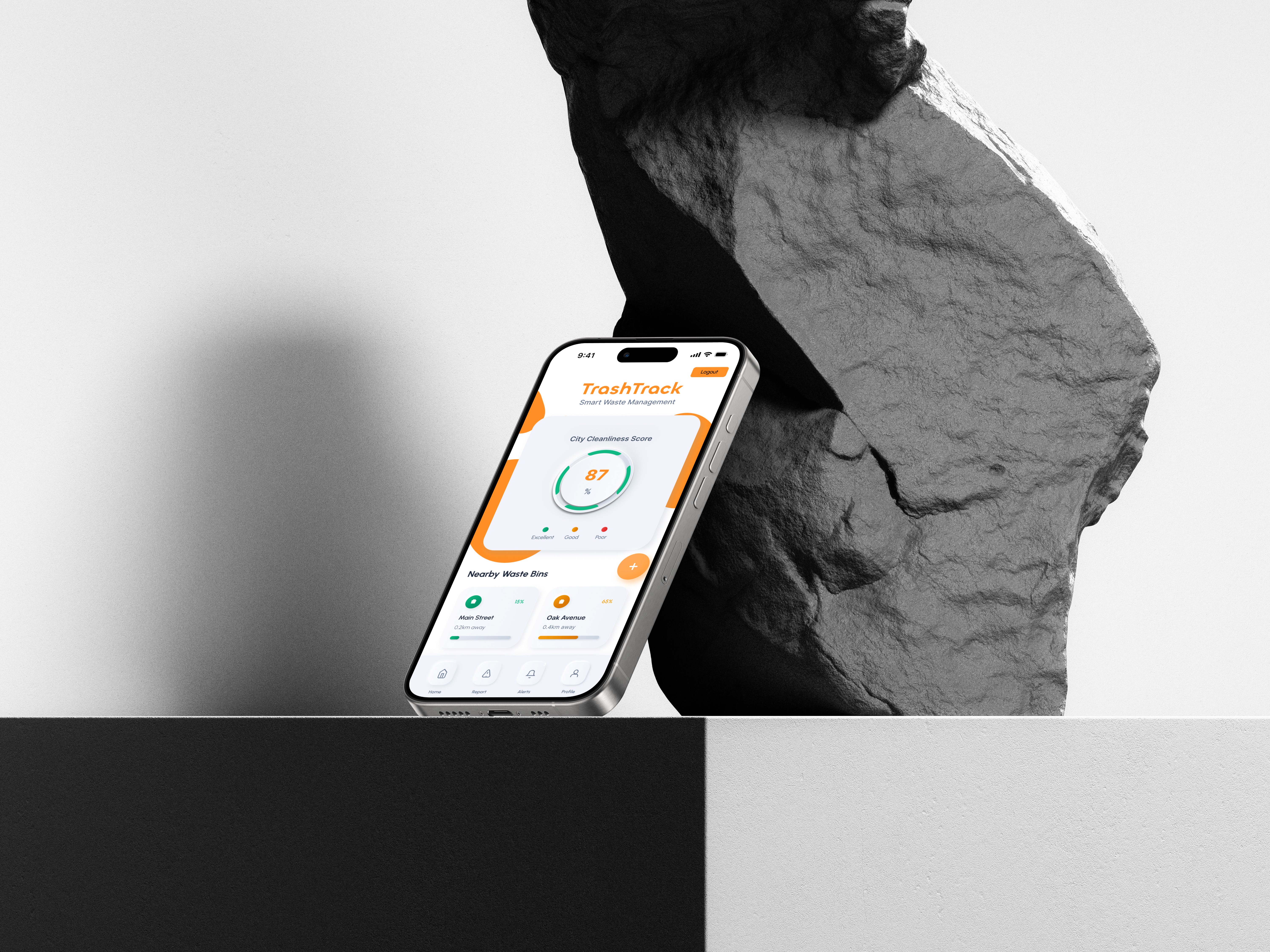
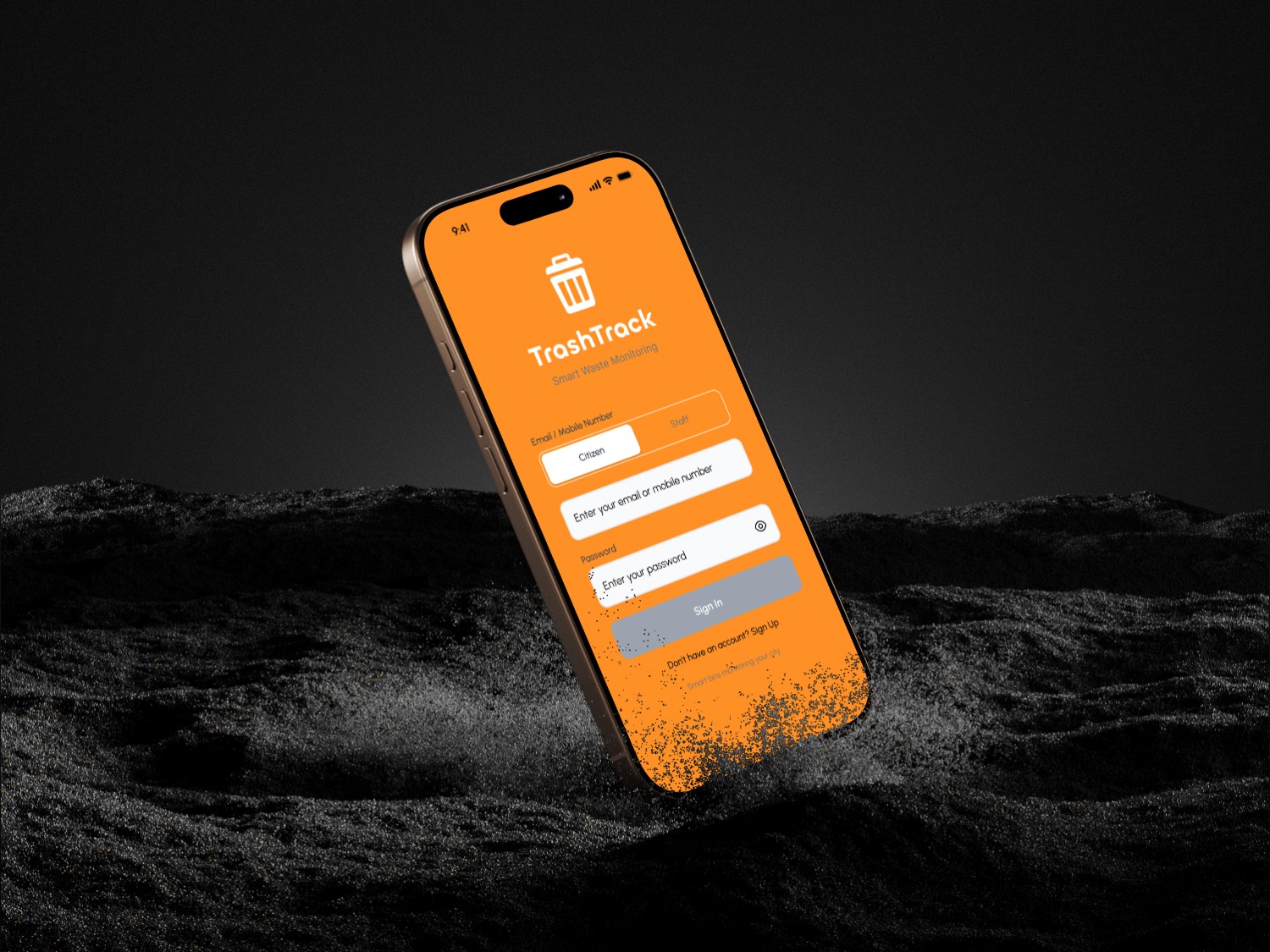
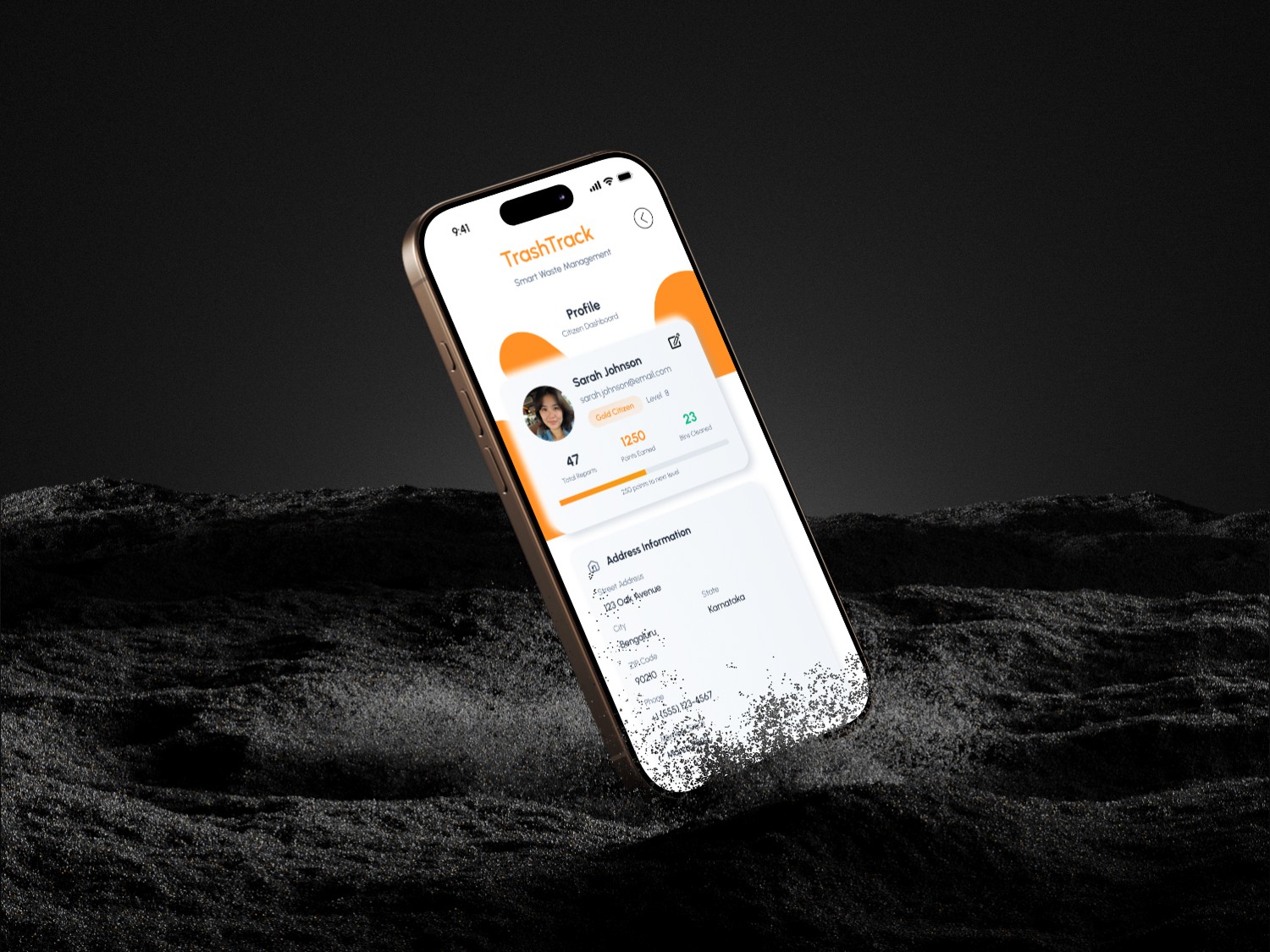
The resulting AI-powered waste management system offers a seamless user experience, enabling citizens, municipal staff, and administrators to efficiently track, report, and manage waste collection through real-time data and intelligent scheduling.
Intelligent Scheduling
AI algorithms analyze bin fill levels, collection history, and route data to generate optimized waste collection schedules, reducing fuel use and preventing overflows.
System Integration
Seamless integration with municipal waste management platforms and GPS systems ensures synchronized operations across departments and devices.
Personalization
Customizable settings allow administrators to set priorities based on zone cleanliness, bin types, or urgency, while citizens can receive tailored alerts and updates based on their location.
Results
The project led to significant improvements in urban waste management, including faster response times, reduced instances of overflowing bins, and optimized collection routes. Positive feedback from citizens and municipal staff reflected increased satisfaction and engagement. The system saw strong adoption across pilot zones and received recognition for its innovative use of AI and real-time data in public services.
Increased Operational Efficiency
Municipal staff reported reduced fuel consumption and time savings through AI-optimized waste collection routes and real-time bin monitoring.
Positive Stakeholder Feedback
Citizens, sanitation workers, and administrators praised the system’s ease of use, timely alerts, and data-driven decision-making capabilities.
Growing Adoption
The solution saw rapid uptake across pilot regions, with increasing engagement from both local governments and communities committed to smarter, cleaner cities.